Worth Dying For?

Posted: January 8, 2015 in World On The Edge

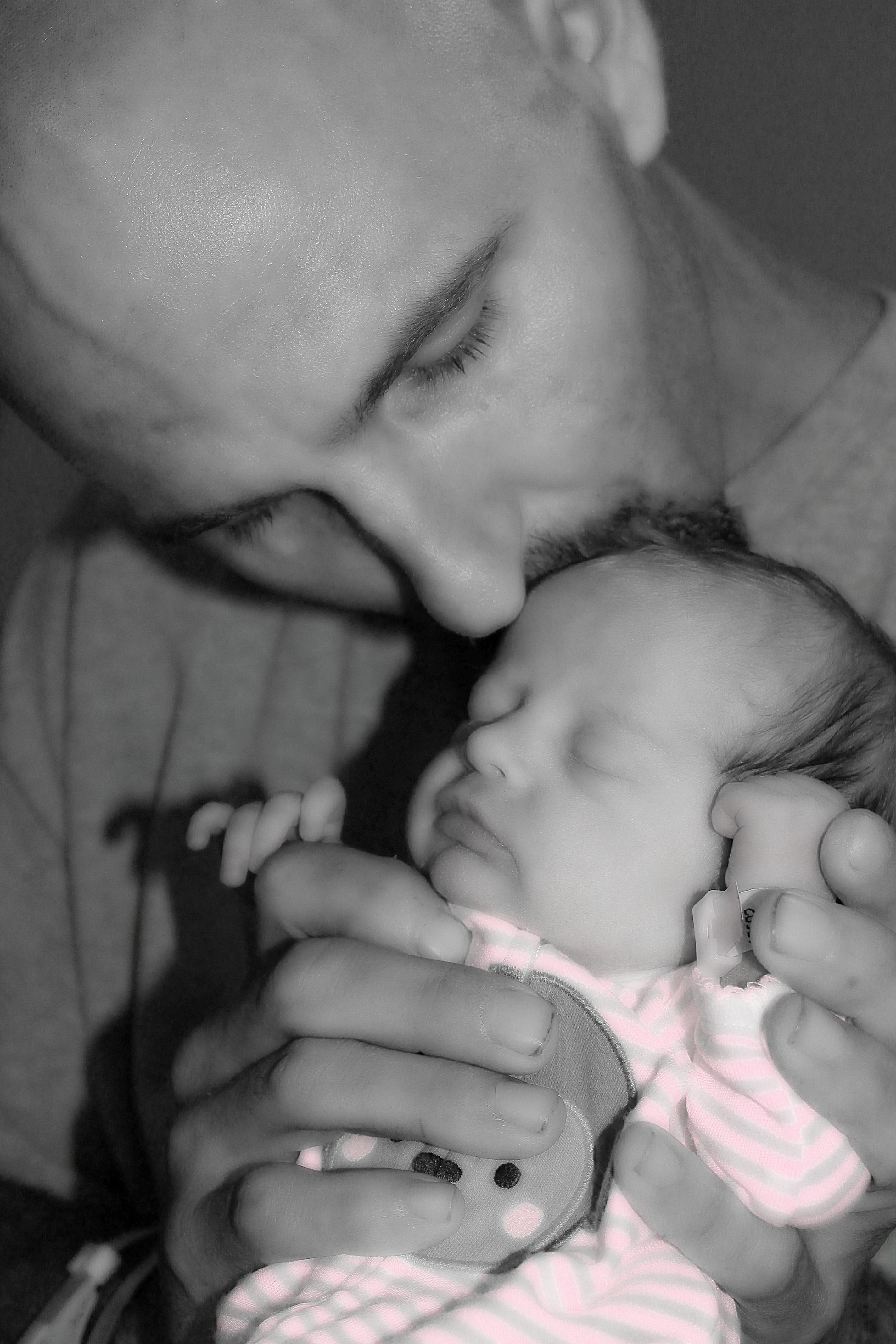
baby fatherDying for a beloved is the theme of legends. We’ve seen it in books, movies, poetry, and song.

Dying for a beloved is what we hope we would do if the need arose. We hope we would be selfless enough, forgiving enough, and brave enough for this higher kind of love– a love so overwhelming that we might call it perfect love.

But how does one go about the pursuit of perfect love?

We’ve all heard 1 Corinthians 13 many times, often at weddings where love is in the forefront. But read the verses again. Is this the sort of love we honestly carry through our life? As for me, I know I fall far short of the deep, genuine love this calls for.

1 If I speak in the tongues of men or of angels, but do not have love, I am only a resounding gong or a clanging cymbal.

2 If I have the gift of prophecy and can fathom all mysteries and all knowledge, and if I have a faith that can move mountains, but do not have love, I am nothing.

3 If I give all I possess to the poor and give over my body to hardship that I may boast, but do not have love, I gain nothing.

4 Love is patient, love is kind. It does not envy, it does not boast, it is not proud.

5 It does not dishonor others, it is not self-seeking, it is not easily angered, it keeps no record of wrongs.

6 Love does not delight in evil but rejoices with the truth.

7 It always protects, always trusts, always hopes, always perseveres.

8 Love never fails. But where there are prophecies, they will cease; where there are tongues, they will be stilled; where there is knowledge, it will pass away.

9 For we know in part and we prophesy in part,

10 but when completeness comes, what is in part disappears.

11 When I was a child, I talked like a child, I thought like a child, I reasoned like a child. When I became a man, I put the ways of childhood behind me.

12 For now we see only a reflection as in a mirror; then we shall see face to face. Now I know in part; then I shall know fully, even as I am fully known.

13 And now these three remain: faith, hope and love. But the greatest of these is love.–1 Corinthians 13 New International Version (NIV)

In truth, there is only one perfect love, and that is God’s love–a love that never changes no matter our sins. The only thing that can keep us from His love is OUR refusal to acknowledge it in those around us. How many times have we refused to love those He has put into our lives?

Need to Chill?

Posted: November 18, 2014 in World On The Edge

cfiles27649Need to chill out a while? I know I did. And so….well, here I am at the beach at Indian Pass, FL for the month of November, and today is chilly for sure. Winter is coming.

The first two weeks here have been warm and gorgeous, from sunrises to sunsets. Some of our children and grandchildren (the three little girls) visited on the first weekend. We had loads of fun; fires  on the beach and s’mores.

The next week my husband and I began to notice things going wrong with the house ( a beautiful house really–but not a young one) This has kept up until it’s become somewhat funny. Have we told the rental company? Oh yes. Has anything been done? Oh no.

Not a thing–for two weeks. In fact, I’m getting used to the chirp of the smoke alarm. We can’t change the battery ourselves because some of the ceilings are fifteen feet. But if it stopped now, I think I might miss it because it reminds me of a parakeet one of my  sons brought home during a college break,  and left in his room at home,  for years, for me to take care of. Of course, when you have to take care of something you usually grow to love it.

One of the reasons we came here is for me to work on a another book, and that brings out in me a lot of life-musing about living in today’s world. Living is full of simple aggravations and complaints. Oddly these are the smaller things that bug us–sometimes bug us more than much more serious situations we ought to be dealing with.

Time to take out the spectacles of definition. What is most important? What is least important?  Are hearts involved? Which things are we actually responsible for, and which are another’s responsibility?

There is a lot of corruption, evil, and violence in our world–all the work of a less noble chamber of the human heart. But we have a very noble chamber, too, and a loveable one. We only have to allow it to work that way,  to act out the love within us–love that God put there.

Love is like a fire; it begins with a spark unique to each of us.

Like the characters in a book, our personal spark toward genuine love for ourselves and others comes from our particular character traits, our likes and dislikes, and a whole lot about what we are willing to do to get where we want to be.

What is the spark that will ignite the love in you and me? What will cause us to take the high road toward love, or the low one toward indifference or even evil? 

Have you Taken a Tumble???

Posted: November 14, 2014 in World On The Edge

hopeful girl Are you a pessimist or an optimist? Do you think tomorrow will be better, or worse?

No one wants ‘worse.’ We hope for the best, knowing that it must be our own hands here on Earth that we use to make the ‘best’ happen.

Even when we’ve been knocked down, even when our life sometimes seems a walk to Calvary, we can be sure that we have the capability of rising again. (more…)

Settling for Less?

Posted: November 11, 2014 in World On The Edge

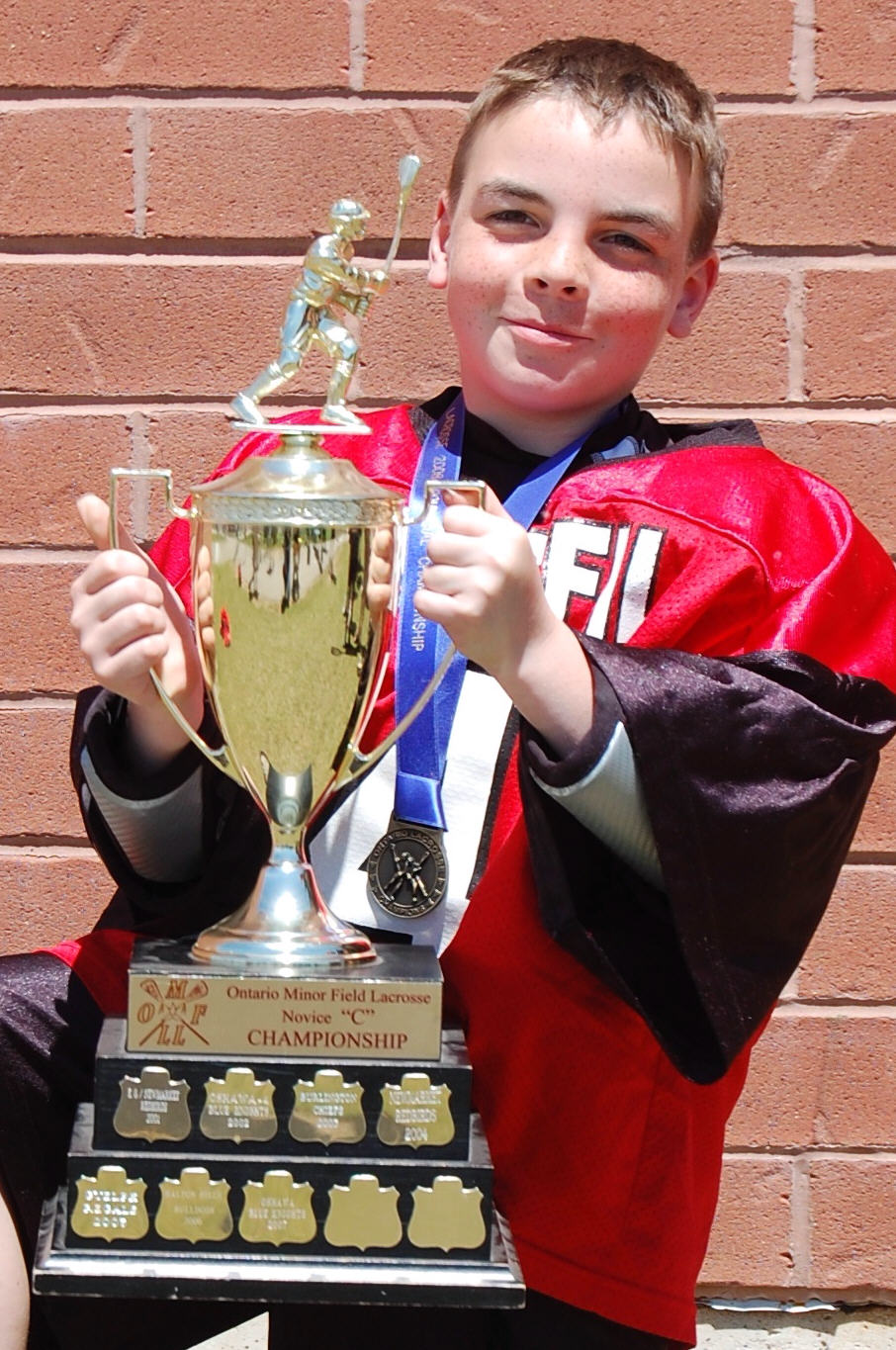
file0002086257626As Mothers, we dream of the best for our children. We don’t want them to settle for less.

Aim for the stars! We tell them. You can do it!

But what if they can’t do it–at least,  not now, at this particular time in their lives.  Not all children mature or develop at the same pace. What do you think about putting pressure on a child  to do something anyway— such as ride a bike,  learn to swim, or knock a home run— when we’re not certain he has that capability yet?

Don’t we have to be sure that the expectations we have for our children are what they want, and can do, not what we  want?  I don’t mean we shouldn’t present opportunities for them to try. We want to make sure they try, and try  hard.  But we, and they,  must realize that not every one, at every time, will take home a trophy or a  medal.  Sometimes, our child will lose.

How do  we show our child  how to lose, or overcome disappointment, without harming the confidence in himself, or herself?

I don’t know if the answer is “one size fits all.” Every child is different. So maybe we just present opportunities and see what they do with them?

One answer would be to instill in our children a real amazement and respect for the awesome world around them. Ask them what about this world most attracts them, and then encourage that particular thing. Very important is to let them know that there are more good people in that world than not-so-good people. And most important, to let each child know that we will love them whether they win or lose.

What do you think?

069We filter the world through our personal experiences with people and events. Everything that happens to us in a relationship or an event is filed away in our brains, and then re-used in interpreting and reacting to other people and events.

Experiences we have with our parents affect the way we see our world today, and especially later on.

Friends influence us for better or worse.

And our children–I think–often teach us to be courageous. We  stand up for them, nurse and nurture them. We find ourselves to doing things for them we wouldn’t necessarily do if we didn’t love them.

Personal relationships affect all of us. Some relationships may not be so good. Some may be wonderful. But whatever they are, we learn and grow from them. People influence people. That’s a fact.

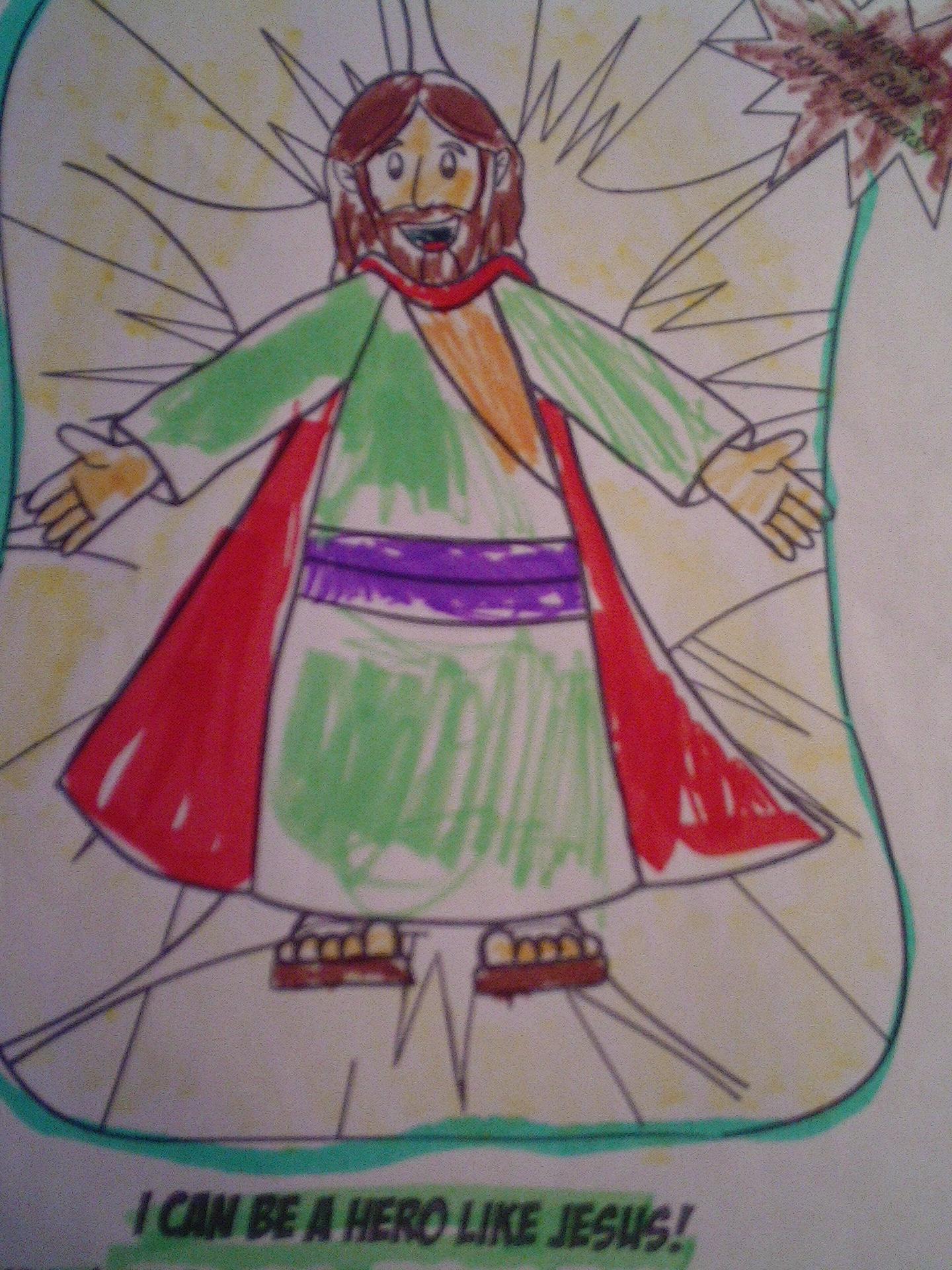
It’s become standard to talk about a personal relationship with Jesus. What a wonderful influence He is! The life of Christ truly shows us The Way.

How did He relate with His earthly parents, Mary and Joseph? With friends, with enemies, with sinners and saints? There are so many lessons to be learned from Him in those relationships!

The next time we have relationship questions or problems we should consider Jesus’s relationships. They provide the answer. And we certainly should be sure our children know all about Him.

Growing up, my parents and grandparents usually added the word ‘Sweet” to His name. So that’s what I used as a child when I spoke or thought about Him: “Sweet Jesus.”

I think the adjective adds a lot to a child’s perspective. Someone ‘sweet’ is someone to whom a child will easily talk to, ask questions of, or simply love.

This is the sort of relationship we want with our God, isn’t it?

We want to be able to talk to Him. Ask questions of Him. Simply love Him.
If you haven’t already, try talking to Him. Ask questions of Him. He will respond in the most curious ways–and then–and this is a promise– you’ll have no problem at all simply loving Him.

Letting Go?

Posted: October 21, 2014 in World On The Edge

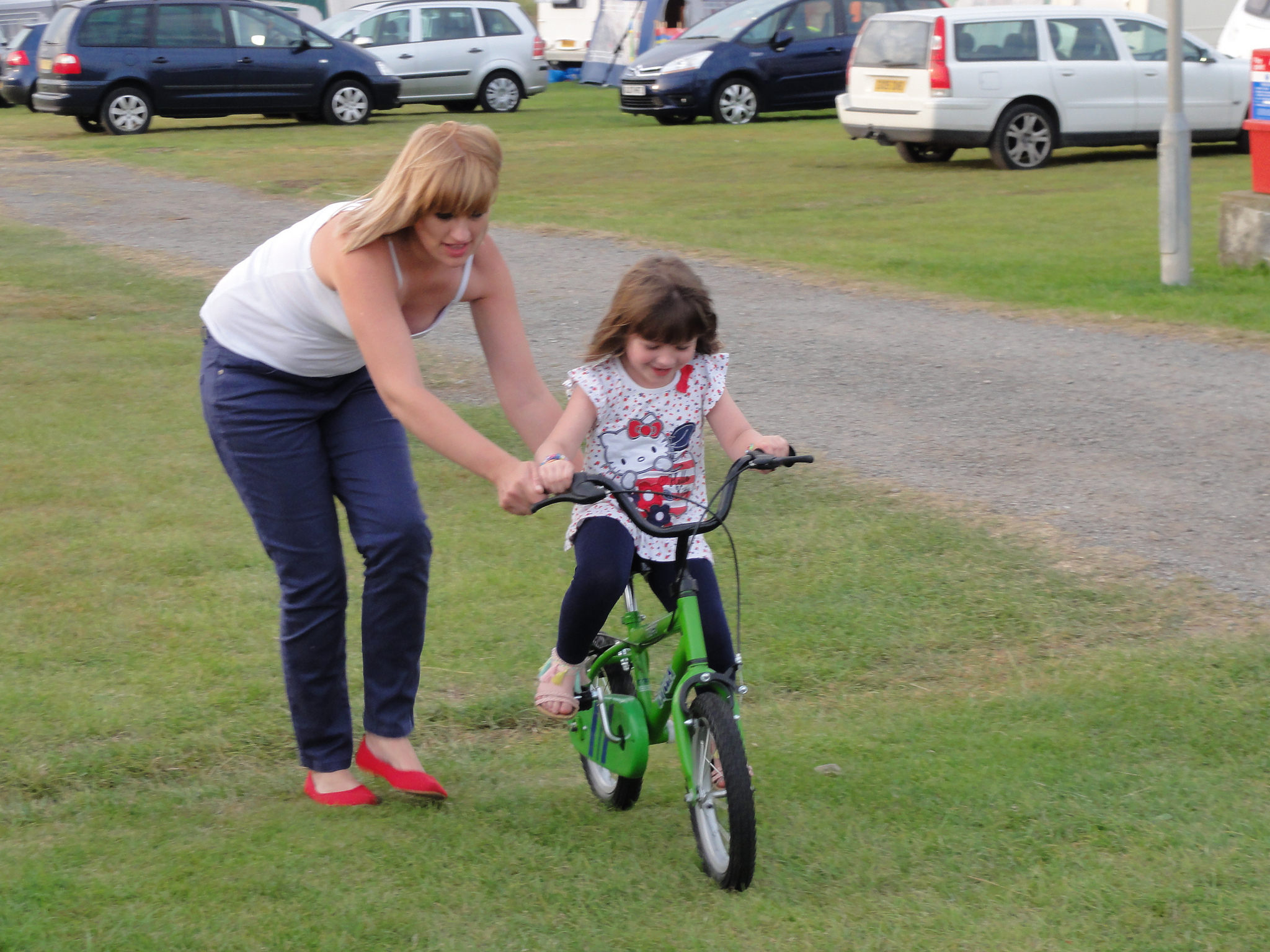
Learning_to_ride_a_bike_at_Sunnysands,_Barmouth__2012_2Have you ever told someone you love, “You can let go now. I can do it on my own.”

It requires a new-felt freedom, especially for a child, to say, “Let Go.”

There are many times in our lives when we adults must let go of certain things— good ones and bad ones.  Sometimes we know in our hearts that what we’re doing isn’t good for us—maybe a habit, maybe a person, maybe even a job. It’s hard to let go; but we know we must move forward. And knowing is the first step to doing it.

But what if we’re not certain we ought to let go of a person—or worse, what if we just don’t want to?

What is the criteria for letting go? Is it only our criteria, only what’s good or bad for us? Or should the criteria be what is good for another person, too; someone we love?

Our families fit into the category of people we love. What wouldn’t we do for them? I mean that literally. We love them. But do we love them enough for the action it might take to let something, or someone, go?

There is no harder task in life than letting a dying loved one go. We can’t imagine ourselves without them. And this is the situation where Faith makes all the difference. If we know our loved one has tried to live a good life, we can be certain he or she will be received into the merciful arms of God. Letting them go, while never easy, is our cooperation with God’s eternal plan.

May the souls of the faithful departed, through the mercy of God, rest in peace.

Where the River Bends

Posted: October 9, 2014 in World On The Edge

river bendI’ve come to see life as like a river–its waters can be calm and serene, but also raging and terrifying–especially where the river bends. And at its bend, there are decisions to be made–decisions with consequences. Which way do we go?

Don’t we want our choice to be a good one?

Decision making is something we do constantly as we are faced with various courses of action in our lives. Some of our decisions are relatively minor ones, but some are major. These are decisions that require thought: What are the pros and cons? We must use reason and logic to choose correctly.

BUT Hugo Mercier and Dan Sperber published a paper in 2011 that concluded many of us use our reason and logic, not to get to the truth or to make good decisions, but primarily to strengthen our position and persuade other people that we are right. In other words we selectively choose data that supports our decision. And we do this selfishly, sometimes without realizing it. When we decide selfishly, our choice rarely makes us happy, and can truly hurt others. In these situations, can we turn instead to the unselfish spirit within us for direction?

We have to pay attention to what the true good is. When we make decisions we should consider their affect on others, too. Because after the long road of life, our eternity depends upon it.

Creation itself began with God calling life out of the water. In the beginning God created the heavens and the earth. 2 Now the earth was formless and empty, darkness was over the surface of the deep, and the Spirit of God was hovering over the waters. Genesis 1:2

The water of a river is symbolic of our relationship with God, carrying the image of renewal, promise and hope. It is through water that we are baptized into the community of the church, and of course Jesus Himself was baptized with water in the River Jordan. It was the day he began his ministry, his loving, sacrificial choice to redeem us. On the other hand, do we remember that it is our bad choices and decisions–yours and mine–that makes our redemption necessary?

txt-pray6mary-uscca

The mother of Jesus is our partner in prayer. We do not pray to her, we ask her to pray to Jesus for us. The latest, publicized example of this is James Foley, beheaded last week by a fellow human who made evil his personal choice.

James Foley beseeched Mary’s prayers in his hour of greatest need.

Here are the stirring words of Elizabeth Argue, Catholic Vote.com

“He knelt in the sand with a shaved head, in the garb of a prisoner. The image is heartbreaking and maddening, a cruel act of hatred……

James Foley lived and died as an American Catholic man and he ought to be esteemed as such. He did not call out, but clenched his jaw and courageously faced death. Although we cannot know what he thought in that moment, he wrote that he recited the rosary in captivity, slowly tracing prayers over each knuckle of his hands.

He wrote that it brought him an interior freedom, which his captors could never take away.

James Foley’s life and death are a testament to his character and to all who raised him: to his country, his religion, his family, his teachers, his friends.

Life as an American Catholic is one of relative ease, but it places upon our shoulders a burden of responsibility. While we work and play, we must remember to pray, to read and write, to discuss real issues, to care for one another, to lift up all humanity through our lives. We have opportunities to speak freely and to proclaim the truth – not just that of faith, but also of the beauty and suffering of humanity.

Each day, we must face with courage the little battles – cultural, political, social, moral, personal – in order to be strong if ever a great challenge arises. Each day, we must stand with those who suffer persecution. Each day, we must raise our eyes above our very small trials to see the hope that freedom and faith bring. We are privileged to be both Catholic and American.

Let James Foley be an example to us all of one who lived, suffered, and died with the courage derived from a life of dedication to the truth. Although we will never know what he thought as he knelt in the sand, we take comfort knowing he had often prayed these words:

Holy Mary, Mother of God, pray for us sinners, now and at the hour of our death.

Surely these prayers, uttered as his only hope in the darkness of a prison, were answered. The Blessed Mother was with him at the hour of his death and nothing, not even the taunts of his murderers, can take away that freedom.

May James Foley rest in peace, may he be freed from death.”—Elizabeth Argue

Marriage: A Requirement?

Posted: August 22, 2014 in World On The Edge

MarriageAmendmentinNorthCarolinaAre women aware of their dignity? Do we demand respect?

Dignity and respect go hand in hand.

Dignity is what we see in ourselves, and respect is what we require of others because of it.

When it comes to marriage, the plan for dignity and respect is simple.

If you love me, I require you to marry me. If you do not love me enough to marry me, then find someone else to go to bed with.

Old-fashioned? Let’s think about it.

In the first place, old-fashioned is not a bad thing to be when it sets you apart from everybody else. I spent twenty years in advertising trying to set my clients apart from everybody else and show their differences so that they would succeed. Being different can be very good!

I realize it’s hard to tell that to a teenager, but it isn’t primarily teenagers who are sleeping with other people without the benefits of marriage. Benefits? Yes!

So let’s talk about benefits.

Marriage, the union of one man and one woman, is a personal, but not private, relationship with great public significance. Marriage is good for the couple; it is also provides the optimal conditions for bearing and raising children.

Harvard psychologist and psychotherapist Mark O’Connell, PhD. says this: Marriage is more than just wearing a ring on your finger. Marriage is an intimate and enduring relationship that grows over time and makes you a better person. Dr. O’Connell contends that there is something about sustained intimacy that offers people a chance to get to know themselves and each other in a way that is more honest and real.

Family can be a great training ground for the kind of virtues that lead to successful careers. Family life teaches perseverance, cooperation, the ability to get along with others, and respect for authority – all virtues that are valued highly in the workplace.

The Social Benefits of Marriage are many. Marriage makes an essential contribution to the common good.

Marriage and Health

• On average, husbands and wives are healthier, happier and enjoy longer lives than those who are not married.

• Men appear to reap the most physical health benefits from marriage and suffer the greatest health consequences if they divorce.

• Married mothers have lower rates of depression than single or cohabiting mothers, probably because they are more likely to receive practical and emotional support from their child’s father and his family.

Marriage and Wealth

• Married couples build more wealth on average than singles or cohabiting couples.

• Married men earn more money than do single men with similar education and job histories.

• Married women are economically better off than divorced, cohabiting or never-married women.

Marriage and Children

Children raised by their own married mother and father are:

• Less likely to be poor or to experience persistent economic insecurity

• More likely to stay in school, have fewer behavioral and attendance problems, and earn four-year college degrees

• Less vulnerable to serious emotional illness, depression and suicide

• More likely to have positive attitudes towards marriage and greater success in forming lasting marriages

Marriage and Crime/Domestic Violence

• Married women are at lower risk for domestic violence than women in cohabiting or dating relationships.

• Boys raised in single-parent homes are more likely to engage in criminal and delinquent behavior than those raised by two married biological parents.

• Married women are significantly less likely to be the victims of violent crime than single or divorced women. Married men are less likely to perpetrate violent crimes than unmarried men.

Marriage and Society

• The institution of marriage reliably creates the social, economic and affective conditions for effective parenting.

• Being married changes people’s lifestyles and habits in ways that are personally and socially beneficial. Marriage is a “seedbed” of prosocial behavior.

• Marriage generates social capital. The social bonds created through marriage yield benefits not only for the family but for others as well, including the larger society.

Sources: Why Marriage Matters: Twenty-Six Conclusions from the Social Sciences (Institute for American Values); Healthy Marriages, Healthy Lives: Research on the Alignment of Health, Marital Outcomes and Marriage Education (California Healthy Marriages Coalition); Testimony of Dr. Barbara Dafoe Whitehead, National Marriage Project, before the U.S. Senate Subcommittee on Children and Families.

So think about dignity, think about respect, consider the benefits, and then say to the one you love:  “Take me down to the little white church!”

railwaytracksWith such instability in our world today, we may be searching for perspective. Consider first, perspective in Art.

Perspective drawings have a horizon line, which is often implied. This line, directly opposite the viewer’s eye, represents objects infinitely far away. They have shrunk, in the distance, to the infinitesimal thickness of a line named after the Earth’s horizon.

In a perspective drawing, the scene  includes parallel lines that have one or more vanishing points.   All lines parallel with the viewer’s line of sight recede to the horizon towards this vanishing point. This is the standard “receding railroad tracks” phenomenon.

But this line is seen not only in Art, but also in Philosophy–the study of the fundamental nature of knowledge, reality, and existence.

The French philosopher and Jesuit priest, Pierre Teilhard de Chardin, refers to it as The Omega Point,  and thought of it as a cone–one that we are all rising through to its apex–Christ.  He clarifies it like this: “Remain true to yourself, but move ever upward toward greater consciousness and greater love! At the summit you will find yourselves united with all those who, from every direction, have made the same ascent. For everything that rises must converge.” (Flannery O’Connor fans will recall this as the title of her last short story collection, influenced by the philosophy of de Chardin).

“In a Universe of “Conical” structure Christ has a place (the apex!) ready for Him to fill, when His Spirit can radiate through all the centuries and all beings; and because of the genetic links running through all the levels of Time and Space between the elements of a convergent world, the Christ-influence, far from being restricted to the mysterious zones of “grace,” spreads and penetrates throughout the entire mass of Nature in movement. In such a world Christ cannot sanctify the Spirit without (as the Greek Fathers intuitively perceived) uplifting and saving the totality of Matter. Christ becomes truly universal to the full extent of Christian needs, and in conformity with the deepest aspirations of our age the Cross becomes the Symbol, the Way, the very Act of progress…..”

I will pause the quote here–because this speaks to me–in a philosophical way– as an explanation of  why there is suffering in our God-created world, something so hard for a human being to accept!

But de Chardin continues…”Within a Universe of convergent structure the only possible way in which an element can draw closer to its neighboring elements is by tightening the cone. In such an order of things no man can love his neighbor without drawing nearer to God and, of  course, reciprocally (but this we knew already). But it is also impossible (this is newer to us) to love either God or our neighbor without assisting the progress, in its physical entirety, of the terrestrial synthesis of the spirit: since it is precisely the progress of this synthesis which enables us to draw closer together among ourselves, while at the same time it raises us toward God.”

Another pause, because I see in this a value for suffering.

de Chardin, continuing again…”Because we love, and in order that we may love even more, we find ourselves happily and especially compelled to participate in all the endeavors, all the anxieties, all the aspirations and also all the affections of the earth….”

As a child, my grandmother –who lived to be nearly one hundred years old– never failed to comment on the pain of my skinned knees, the loss of a boyfriend, my less than good grade, or any of my youthful disappointments  Her words were always. “Offer it up.” I had no real idea what she was talking about until I reached adulthood and went through some very trying and tearful times. Her words were the same, with a little added on: “Offer it up. Suffering has a value.”

But because  we are humanour physical selves  find that hard to accept. So I think we have to be philosophical about it. We have to have a perspective. We have to raise our minds to the intangible to come to any idea of why suffering?